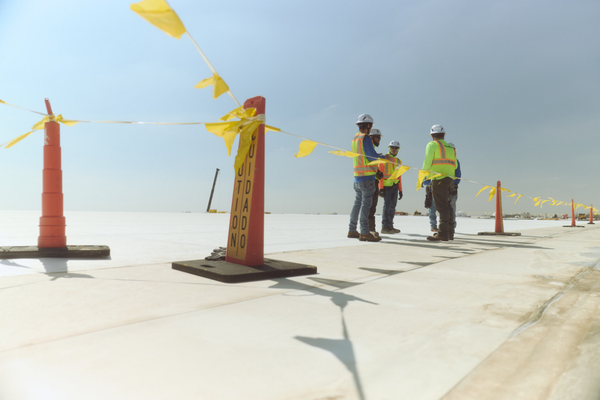
Reactive fixes used to feel like a reasonable way to manage costs. In practice, they often leave facility teams exposed to downtime, interior disruption and budget surprises when a problem surfaces on the roof's schedule instead of theirs. Industry guidance also treats maintenance as a major driver of roof life and ownership cost, which is why more teams are using planned service to reduce emergency work and bring roofing decisions back into a normal budgeting cycle. The goal is not to eliminate every repair. It is to reduce the number of urgent situations and build a clearer long-term plan.
For commercial facilities, being proactive usually means fewer surprises. It also means a clearer path for operations, finance and leadership to stay aligned once work begins.
Why Reactive Repairs are Hard.
When you wait for a problem to announce itself, you give up control over timing, scope and often labor conditions. The issue is not only the repair itself. It is the interruption that follows when leaks reach occupied space, when crews must respond during a bad weather window or when repeated small fixes start replacing actual planning.
Reactive work also makes it harder to compare options calmly. Teams end up deciding under pressure, which is rarely the best time to sort through repair priorities, vendor availability or budget tradeoffs.
A proactive approach gives teams more control over when work happens and what gets addressed first. It also makes it easier to separate true emergencies from issues that can be handled in a scheduled service visit.
Commercial Roof Inspections are the Real Starting Point.
Commercial roof inspections create the clarity that reactive repairs never provide. They help teams document current conditions, spot weak points before they turn into larger failures and create a written basis for prioritizing spending. Additionally, routine inspections and preventative maintenance can increase the roof's life expectancy by an estimated 25% at a minimum.
NRCA says biannual inspections often uncover visible signs of problems before serious damage occurs. Manufacturers also recommend regular inspections in spring and fall plus additional checks after severe weather.
Inspection records also become more useful over time because they create a service history instead of a string of disconnected repair calls. It is advised to keep roof plans, warranty information, prior inspection and maintenance reports and records of rooftop changes in the file. CentiMark’s Digital Customer Experience (CMDCX) is your all-in-one solution to manage all of your facility’s roofing and flooring assets in one place.
How Commercial Roof Warranty Terms Influence Strategy.
A commercial roof warranty should not be treated as a document you pull out only after a leak. Warranty terms are subject to the roof being properly mainteanced. CertainTeed says failure to properly maintain the roof system voids its limited commercial roof warranties.
That shifts maintenance records from a nice-to-have into part of the operating strategy. Proactive programs give facility teams a cleaner record of what was done, when it was done and what changed on the roof over time.
Build a More Proactive Roof Plan Before Problems Escalate.
Schedule an inspection and get a prioritized plan you can budget against. That kind of visibility supports better budgeting, smarter prioritization and fewer rushed decisions. It also gives leadership a clearer basis for deciding what should be handled now, what can be scheduled next and what belongs in a longer capital discussion.
{source}<iframe src="https://info.centimark.com/l/138881/2024-07-31/2r2hwb" width="100%" height="800" type="text/html" frameborder="0" allowTransparency="true" style="border: 0" scrolling="no" title="Pardot Contact Form to Start a Commercial Roofing Project" aria-label="contact form to initiate a project"></iframe>{/source}