Frequently Asked Questions
Q: How does summer heat affect my commercial roof?
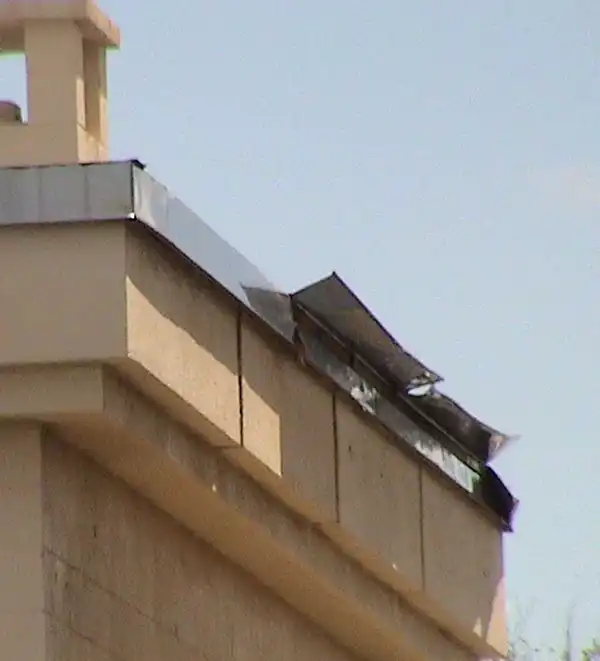
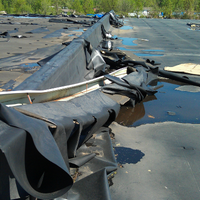
A: Intense heat can cause roof membranes to expand. When temperatures quickly drop during a rain storm, the material contracts rapidly. This ‘thermal shock’ can cause seams to split or flashings to fail.
Q: How can I prepare my commercial roof for summer storms?
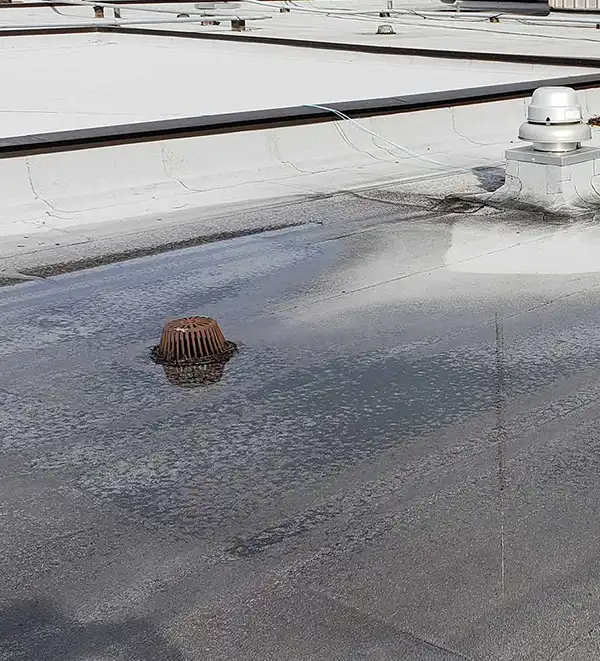
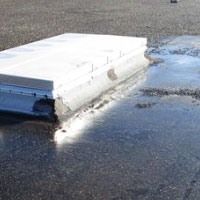
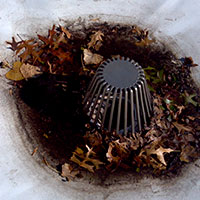
A: The best defense against heavy summer storms is proactive inspection and commercial roof maintenance plans for severe weather. Our crews can ensure your drainage systems are clear of debris so that heavy rain doesn’t lead to ponding water.
Q: How quickly should I schedule repairs or an inspection after a summer hail or rain storm?
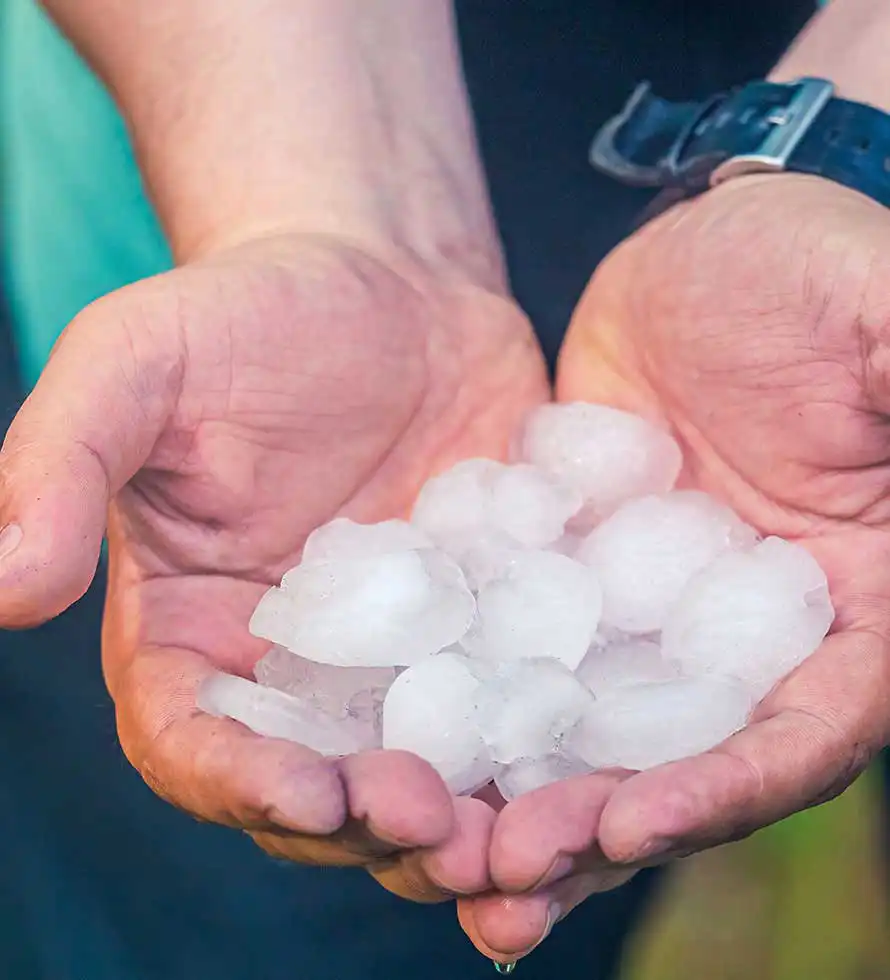
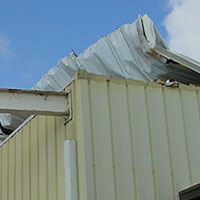
A: You should schedule an inspection or repair appointment as soon as possible. Even if you don’t see an active leak, summer storms can cause ‘hidden’ damage that can allow moisture to seep in slowly, leading to mold and structural damage over time.
Q: How do you repair a leaking roof?
A: Repairing a roof leak starts with identifying the source, which isn’t always where the leak appears inside the building. Temporary fixes may include sealing small cracks or replacing damaged flashing, but long-lasting roof repairs typically require professional evaluation. For commercial roofs, proper repairs often involve patching, seam reinforcement or large surface coatings to prevent future leaks.
Q: How to find a roof leak?
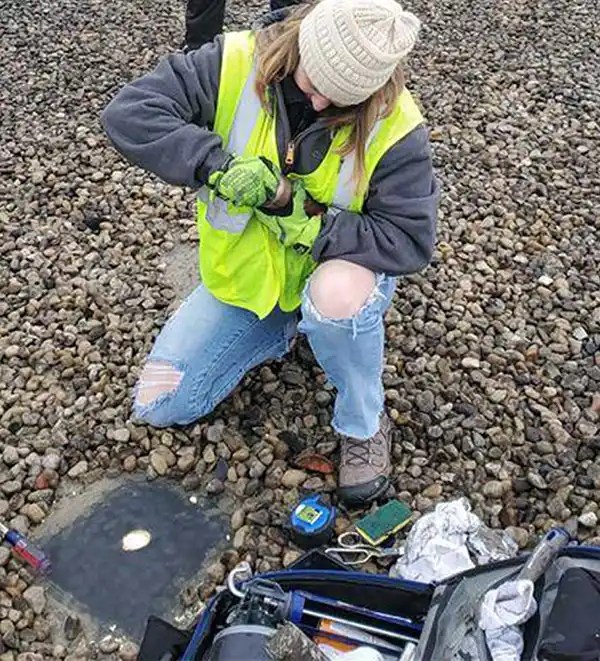
A: Finding a roof leak involves inspecting common areas of water infiltration such as roof penetrations, drains, seams and around HVAC units. Interior signs like water stains on ceiling tiles, can help narrow down the location. Professional roofing contractors can visually inspect the roof or perform a thermal scan to identify areas of moisture or weak insulaation, helping pinpoint leaks without unnecessary tear-offs.
Q: How to prevent roof leaks?
A: Preventing roof leaks starts with proactive maintenance like regular inspections, timely repairs and routine cleaning. Partnering with a professional roofing contractor ensures small issues are addressed before they turn into unexpected disruptions.
Q: How to detect roof leaks before they get worse?
A: Roof leaks can be detected early through routine inspections and preventative maintenance. Warning signs may include water stains on the interior ceiling, ponding water, cracked sealant or failed flashings.
Q: Will a leak in the roof cause mold?
A: Yes, a roof leak can lead to mold growth if moisture is allowed to remain in the insulation, decking or interior materials. Mold can begin developing within 24-48 hours of water exposure and may increase health risks while damaging the building.
Q: How to fix commercial roof leak?
A: To fix a commercial roof leak, start by identifying the source, containing any interior water intrusion and contacting a professional commercial roofing contractor. Professional leak repair may include patching, sealing or restoring the membrane to prevent further water intrusion and structural damage.
Q: How to repair a commercial flat roof?
A: Commercial flat roof repair begins with a professional inspection to locate the source of the damage, such as membrane punctures, seam failure, ponding water or flashing issues. Depending on the roof system, repairs may include patching, applying roof coatings or replacing damaged sections to restore waterproofing and extend the service life of the roof.
Q: How to repair commercial roof?
A: Commercial roof repairs begins with identifying the source of the problem. Water stains, bubbling membranes, standing water and flashing damage are all signs that a commercial roof system needs professional attention. Once the issue is located, a professional roofing contractor will determine the best repair method for your facility and operations.
Q: How to choose roofing contractor?
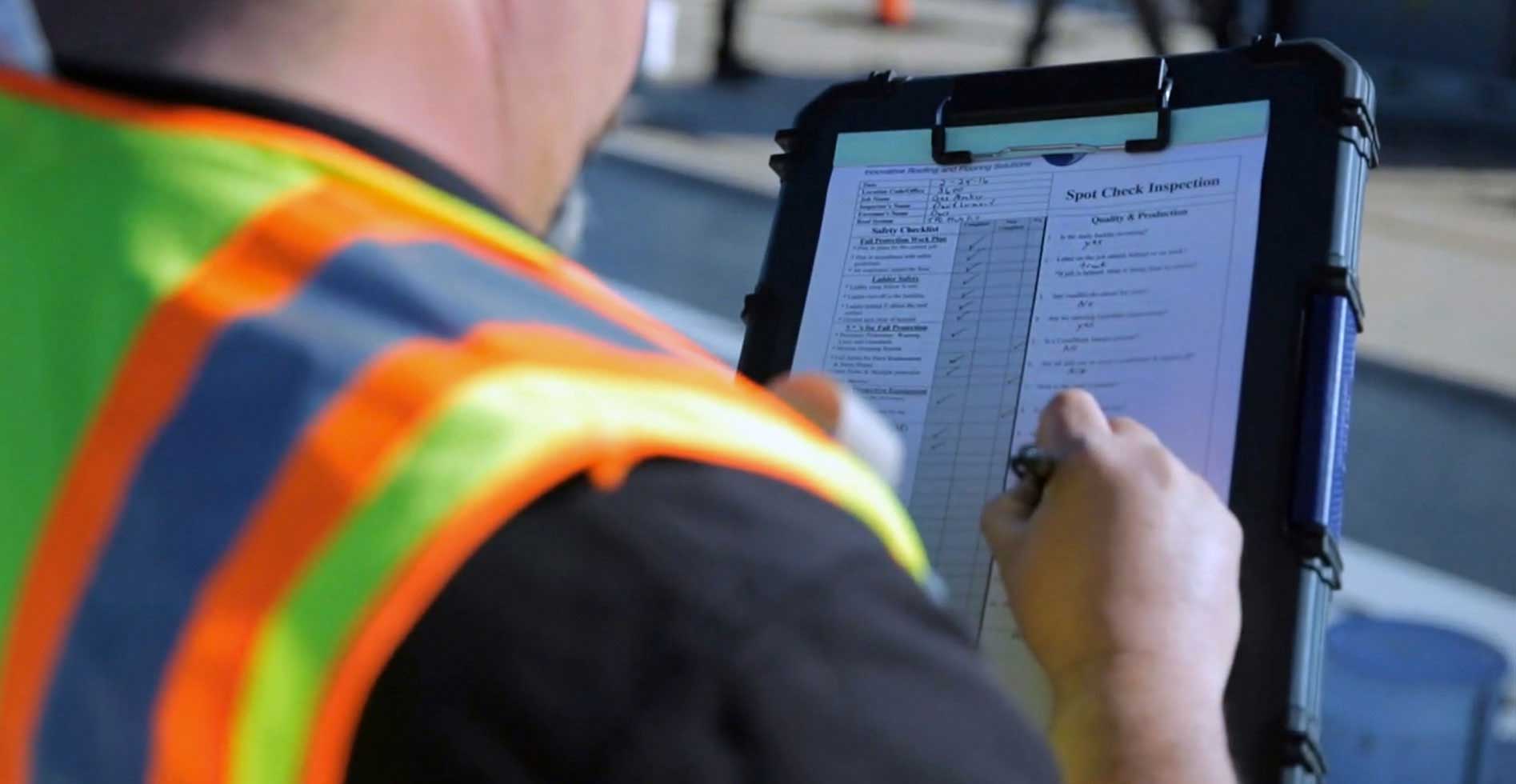
A: A reliable roofing contractor should provide detailed documentation of inspections, transparent proposals and strong warranty options. It's also important to verify licensing, customer references, safety practices and insurance coverage before making a decision.