
How Hurricane Season Water Intrusion Threatens Commercial Roofs, Floors and Business Continuity.
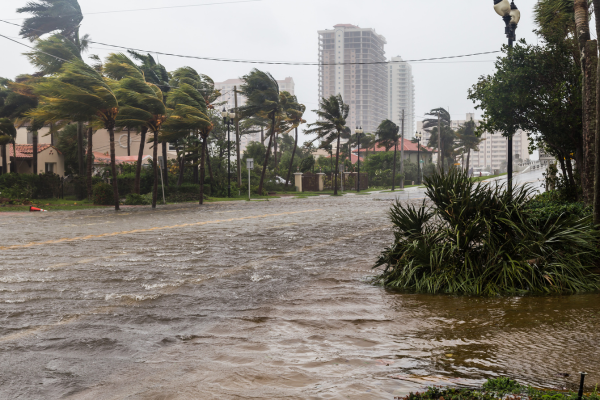
Hurricane season raises the stakes for any weakness in the building envelope because water intrusion rarely stays confined to one area. What begins at the roof can move into ceilings, wall assemblies and occupied spaces, creating a facility issue that reaches beyond the roof itself.
For commercial and industrial operations, the concern is not only visible damage. It is the potential for disruption to safety, inventory, equipment and normal activity when water enters places it should not.
Why Hurricane Season Changes the Risk Equation.
Wind-driven rain can force water through vulnerabilities that may be less apparent during routine weather. Tropical storms and hurricanes can create conditions that allow water entry through building openings and roof-system weaknesses.
That makes hurricane season an important window for pre-storm roof inspections. A review can identify developing issues around seams, flashings, penetrations, drains and edge details before sustained wind and heavy rain place those areas under greater pressure.
Storm readiness also requires more than checking the roof alone. Ready Business hurricane guidance encourages organizations to prepare for hazards in advance and consider how an event could affect people, property and recovery activities.
How Water Intrusion Moves Beyond the Roof.
A roof leak does not necessarily remain above the ceiling. Water can travel through insulation, deck components and interior assemblies before it becomes visible. By that point, the impact may include damaged finishes, wet flooring and cleanup that interferes with normal use of the space.
Wet walking surfaces can also create a slip risk. OSHA guidance emphasizes maintaining walking-working surfaces in a clean and, to the extent feasible, dry condition. In a warehouse, manufacturing environment or high-traffic commercial space, even a contained leak can require quick action to protect employees and keep routes usable.
Water intrusion may also expose stored products, electrical equipment or sensitive operational areas, potentially creating operational downtime while teams contain the affected area and assess the extent of damage. That is why timely commercial roof repairs are not simply a maintenance matter. Addressing a known vulnerability before a storm can help reduce the chance that a minor issue becomes a broader interruption.
What Facilities Should Address Before Peak Storm Activity.
Before peak storm activity arrives, facilities should evaluate roof condition, drainage performance and areas with a history of leaks or repairs. Loose or deteriorated flashings, damaged sealants, open seams, blocked drains and compromised penetrations all deserve attention.
It is also useful to review the areas below the roof. Consider which rooms contain critical equipment, finished goods, sensitive materials or high employee traffic. That context can help teams prioritize the vulnerabilities with the greatest potential effect on operations.
CentiMark’s storm and hurricane resources can also help facilities focus their planning before a weather event creates urgency. The goal is not to predict exactly how a storm will affect a facility. It is to reduce avoidable uncertainty and give teams a clear path for inspection, repair and response.
Ready to Talk Through Water Intrusion Risk Before Hurricane Season Peaks?
Schedule an inspection and identify vulnerabilities before they turn into disruption.
Stay Informed
When you subscribe to the blog, we will send you an e-mail when there are new updates on the site so you wouldn't miss them.