
Roofing for Critical Environments: What Hospitals, Warehouses and Food Facilities Require.
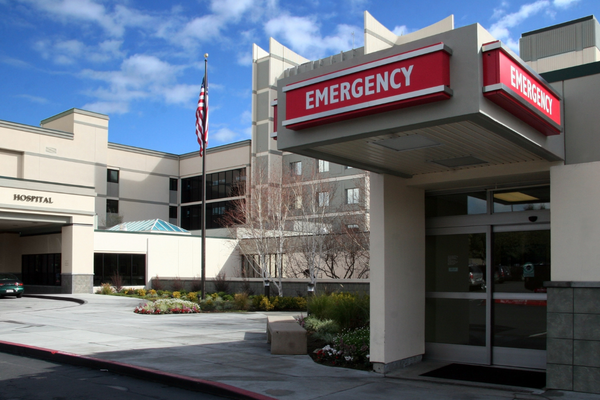
Critical environments change the roofing conversation because the cost of disruption is higher and the margin for error is smaller. Work for hospitals, large distribution facilities and food processing facilities usually requires tighter planning, cleaner execution and a more conservative approach to risk than a standard commercial project. The roof still has to stay watertight, but the project plan also has to respect how the building operates every day.
Hospital Roofing is About Stability and Disruption Control.
Hospitals run continuously. Roofing work has to be phased, coordinated and documented in a way that protects sensitive areas, limits dust and keeps safety protocols intact. In healthcare settings, even repair and maintenance activity can trigger infection-control planning, especially when work affects air movement, water intrusion or adjacent patient areas.
That changes how projects are sequenced. Access routes, staging areas, work hours and shutdown windows need to be discussed before crews arrive, not sorted out on the fly. It also pulls facilities, infection prevention and project teams into the same planning loop. Teams responsible for critical healthcare facilities usually need a scope that protects patients, staff and the systems that support care, while still moving the roof work forward in a controlled way.
Warehouse Roofing Must Handle Scale and Equipment Demands.
Warehouse roofing has a scale problem. Large footprints make it harder to spot small defects early, and the size of the asset can turn isolated moisture entry into a broader operations issue if it spreads before anyone sees it. Rooftop units, service access and repeated foot traffic also make access planning and fall protection requirements part of the roofing conversation.
That is why many operators rely on regular inspections and preventative maintenance. Seasonal checks and post-storm reviews become more valuable when the roof serves a large footprint with multiple penetrations and equipment curbs. Maintenance planning helps keep repair work in a controlled window, which matters when even a small leak can interfere with dock activity, inventory protection or production flow.
Food Processing Facilities Demand Higher Attention to Moisture and Sanitation Risk.
Food processing work places a different kind of pressure on roofing decisions. Here, moisture is not just a building problem. It can become a sanitation problem, a scheduling problem and a production problem at the same time. Food processing facilities are expected to keep the building in a clean, sanitary and well-repaired condition so exposed food is protected from contamination.
Roof work also has to respect cleaning schedules, washdown routines, environmental controls and the timing of production. In low-moisture operations, even limited water use may need to be controlled and followed by thorough drying. A single leak can put product, packaging and adjacent surfaces into question before the repair scope is even resolved. For that reason, roofing plans for food processing facilities usually need a sharper focus on isolation, timing and moisture control than a typical project.
Talk Through Roofing Requirements for Your Environment.
The right roofing plan for a hospital, warehouse or food plant starts with understanding the building function before the scope is finalized. That usually means talking through phasing, disruption control, access, documentation and how repair or replacement work will fit the operating schedule. Commercial roofing services should be evaluated based on how the building operates day to day, with the scope, phasing and disruption plan aligned to that environment.
Stay Informed
When you subscribe to the blog, we will send you an e-mail when there are new updates on the site so you wouldn't miss them.