
Safety Starts at the Top: 6 Opportunities to Level Up Your Roof Safety.
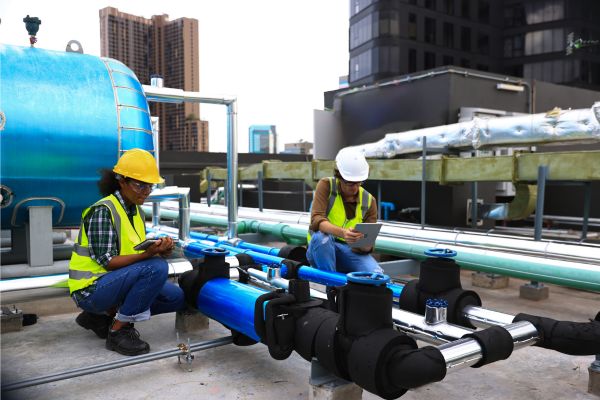
Is your commercial roof as safe as it should be? The condition and design of your facility’s roof is critical for servicing equipment such as HVAC systems and production exhaust systems. Poorly maintained roofs and missing safety measures can lead to injuries and property damage. As a commercial roofing contractor with over 55 years of experience across North America, we have seen many common safety hazards that are simple to fix but carry serious consequences if ignored. Ensure you are not overlooking these six crucial ways you can boost your roof safety and avoid hidden risks.
1. Skylights
Skylights are popular in commercial facilities because they harness daylight, reduce power bills and create a more comfortable environment. However, unprotected skylights are a serious fall hazard. From a safety perspective, they are essentially holes in your roof. Installing skylight screens, covers, guardrails or personal fall arrest systems is critical for any roof that features these light sources. Additionally, if your facility is in a FM Global Very Severe Hail (VSH) Zone, it is now a requirement to have FM-approved VSH skylight protection.
2. Access Points
Simply getting onto the roof can be the most dangerous part of the job. Are your access points like ladders and roof hatches compliant with OSHA fall protection protocols and industry best practices? Some commercial facilities often overlook the transition points where people enter and exit the roof. Common safety issues may include missing guardrails around roof hatches and fixed ladders lacking necessary safety cages or fall-arrest cables. There are many solutions to keep your access points safe and secure.
3. The Parapet Wall Illusion
A common misconception is that a parapet wall may serve as a safety barrier. In reality, many commercial parapet walls are only 12 to 23 inches tall. These may actually become tripping hazards rather than fall protection. According to OSHA standards, a guardrail or protective barrier must be between 39 and 45 inches high to adequately protect a person. If your parapet wall does not meet these height requirements, additional railing must be installed to ensure safety and compliance.
4. Navigating Complex Roof Equipment
Depending on your industry, your roof may be crowded with gas lines, ammonia pipes, HVAC ducts and other specialized equipment. This creates a maze of tripping hazards, especially in poor weather or low light. To protect your team and contractors, you must simplify that navigation. Dedicated crossover platforms, stairs and walkway systems are essential for roofs with complex equipment layouts. Check out this video!
5. Debris, Algae and Vegetation
Every commercial roof is constantly exposed to various elements and naturally collects wind-blown debris, bird droppings and standing water, which can lead to algae growth. These factors create slippery conditions or trip hazards. Consistent preventative maintenance is key to keeping the roof’s surface clear. For high-traffic areas, you can further improve roof safety by installing permanent walk pads to provide better traction.
6. Snow Removal
For facilities in cold climates, timely snow removal is a necessity. However, hiring an inexperienced crew to clear your roof is a risk. Snow hides skylights, edges and rooftop equipment, making the environment exponentially more dangerous. Professional snow removal requires strict safety protocols and specialized training to prevent falls, preserve the roof membrane and minimize any damage. Always qualify your roofing professional to ensure they have the right safety record, training and equipment for the job.
Whether your facility’s roof sees daily traffic or only occasional visits, roof safety is vital. Our team designs and installs robust safety systems that create a seamless path through even the most complex roof layouts. We help keep your operations compliant and your team confident. Safety is more than a checklist; it is a culture. Contact us today for a free roof safety consultation!
Stay Informed
When you subscribe to the blog, we will send you an e-mail when there are new updates on the site so you wouldn't miss them.