
JUN
16
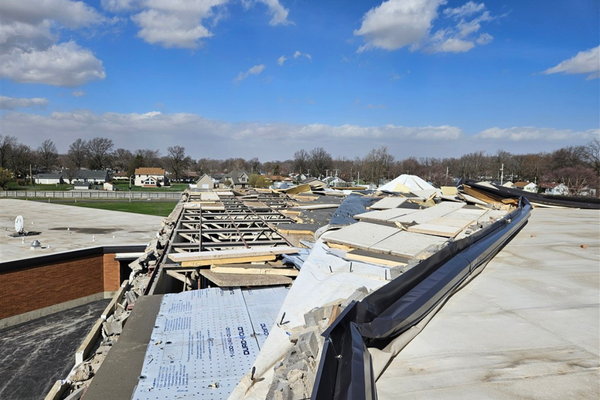
When a commercial roof fails, every minute matters. Whether it’s storm damage, a sudden leak or structural impact, the first 24 hours are critical in minimizing damage, protecting operations and setting up a successful long-term plan for repair. Having a clear, actionable plan can make the difference between a manageable fix and a costly disaster.
Emergency commercial roof repair involves the immediate steps needed to stabilize the situation, stop active leaks, protect occupants and property and prevent further damage until permanent repairs can be completed. The actions taken during those first few hours can have a significant impact on repair costs, operational disruptions and recovery timelines.
Here’s what facility managers need to prioritize immediately after discovering a roofing emergency at their facility.
MAR
05
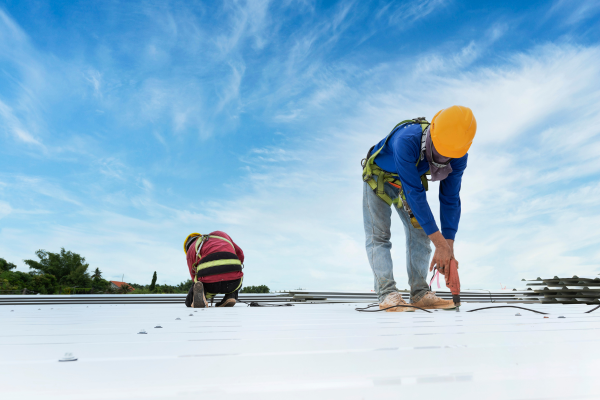
When a commercial roof issue appears, the first instinct may be to fix it as quickly and cost-effectively as possible. A small leak, loose flashing or visible membrane damage can seem manageable in-house, especially when downtime and budget are top of mind.
But commercial roof systems are complex and the decision to attempt do-it-yourself (DIY) repairs versus calling a professional can have long-term consequences. Understanding the risks, limitations and true costs of the DIY approach is critical to protecting your facility, employees and operations.
FEB
24
For facility managers, the roof is often out of sight, out of mind, until a problem disrupts operations. But roofing failures don’t just cause leaks. They can shut down production, damage inventory, create safety hazards and quickly blow maintenance budgets.
This guide breaks down everything facility managers need to know about commercial roof repairs: how to spot issues early, when to repair vs. replace and how to build a strategy that protects your roof.
FEB
18
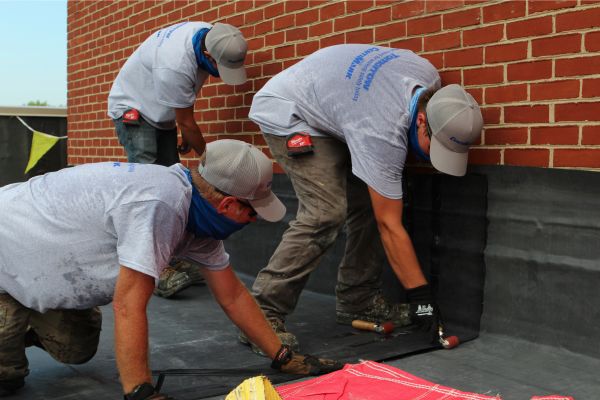
When it comes to commercial roofing projects, safety and protection don’t clock out when the workday ends. Every night, before our CentiMark crew leaves the site, a crucial step takes place: the nightly tie-in. This protection is installed to help buildings stay secure from weather exposure until the roofing project continues the next day.
FEB
05
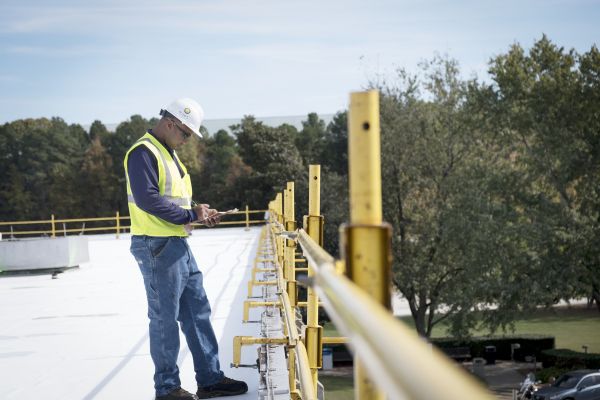
In many facilities, the roof functions as an active workspace supporting maintenance crews, equipment and operations. When a roof experiences frequent foot traffic, it requires specialized care to remain watertight, safe and compliant.
JAN
22
In 2026, commercial roofing is no longer just about stopping leaks. It’s also about energy management, asset preservation and data-driven budgeting. As material costs and building codes evolve, asking the right questions upfront can save you hundreds of thousands of dollars in the long run.
Before you authorize a single repair or replacement this year, run through these ten critical qualifying questions to ensure you are choosing the most effective path for your facility.
1. What is the current condition of the roof deck and insulation?
A repair is only as good as the substrate it is installed on. If your insulation is saturated or the deck is compromised, a surface-level repair might not be the best use of your roofing dollars. High-performing facilities use infrared moisture scans and core inspections to determine if they can utilize existing materials, potentially saving 30-40% on reroofing costs.
JAN
22
The start of the year is more than just a calendar flip for facility managers. It is a critical window to protect the building envelope. High-performing facilities don’t wait for spring thaws to assess damage. They use the beginning of the year to create and execute their yearly maintenance strategy that minimizes operational costs and sets the stage for year-long resilience.
If you want to minimize expenses, ensure safety compliance and avoid operational interruptions, here is a checklist used by the industry’s most efficient teams.
JAN
22
Is your commercial roof as safe as it should be? The condition and design of your facility’s roof is critical for servicing equipment such as HVAC systems and production exhaust systems. Poorly maintained roofs and missing safety measures can lead to injuries and property damage. As a commercial roofing contractor with over 55 years of experience across North America, we have seen many common safety hazards that are simple to fix but carry serious consequences if ignored. Ensure you are not overlooking these six crucial ways you can boost your roof safety and avoid hidden risks.
1. Skylights
Skylights are popular in commercial facilities because they harness daylight, reduce power bills and create a more comfortable environment. However, unprotected skylights are a serious fall hazard. From a safety perspective, they are essentially holes in your roof. Installing skylight screens, covers, guardrails or personal fall arrest systems is critical for any roof that features these light sources. Additionally, if your facility is in a FM Global Very Severe Hail (VSH) Zone, it is now a requirement to have FM-approved VSH skylight protection.
2. Access Points
Simply getting onto the roof can be the most dangerous part of the job. Are your access points like ladders and roof hatches compliant with OSHA fall protection protocols and industry best practices? Some commercial facilities often overlook the transition points where people enter and exit the roof. Common safety issues may include missing guardrails around roof hatches and fixed ladders lacking necessary safety cages or fall-arrest cables. There are many solutions to keep your access points safe and secure.
3. The Parapet Wall Illusion
A common misconception is that a parapet wall may serve as a safety barrier. In reality, many commercial parapet walls are only 12 to 23 inches tall. These may actually become tripping hazards rather than fall protection. According to OSHA standards, a guardrail or protective barrier must be between 39 and 45 inches high to adequately protect a person. If your parapet wall does not meet these height requirements, additional railing must be installed to ensure safety and compliance.
NOV
18
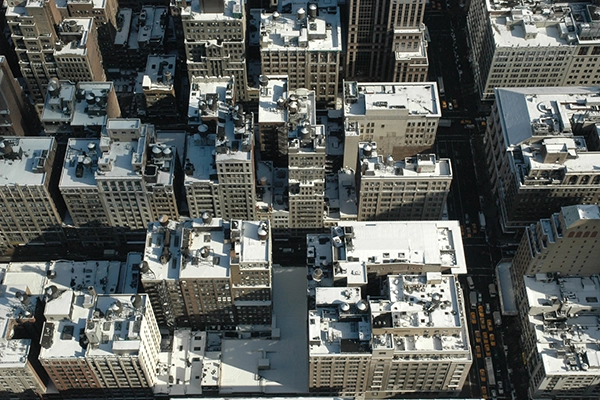
As winter approaches, it's time to prepare for the unique challenges that this season brings. Freezing temperatures, snow accumulation and thermal shock are a triple threat that puts serious strain on your most vital facility asset: your commercial roof. The big question isn't if it will snow, but how you will outsmart the weight to keep your building safe, sound and operational.
NOV
22
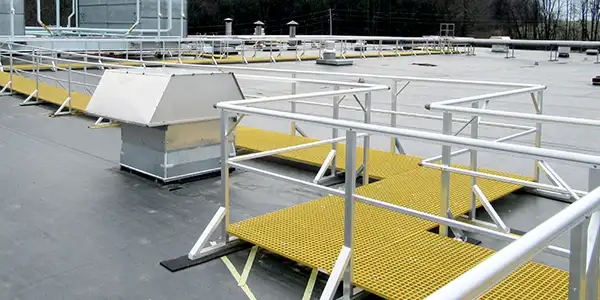
Hi! I am Anne Serzz, your commercial roof safety advocate. Fasten your harness and get ready to learn about the different accessories on the market that play a vital role in keeping your roofing projects compliant and safe at all times! In every work environment, unwavering dedication to roof safety is crucial to prevent injuries. From warning lines to fall prevention systems, there are multiple accessories that can help you comply with the stringent standards and regulations. Let’s discuss these different accessories:
NOV
06
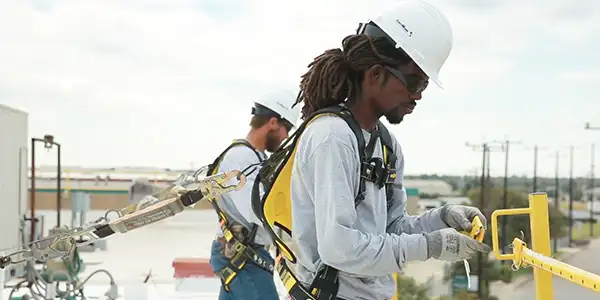
Ready to explore the different elements of maintaining a safe and efficient commercial roof environment? In the latest edition of the #AskCentiMark series, we will review the best practices, training protocols, different ratings and career advice for commercial roof safety on the job site.