
DIY vs. Professional Commercial Roof Repairs: What Facility Managers Need to Know.
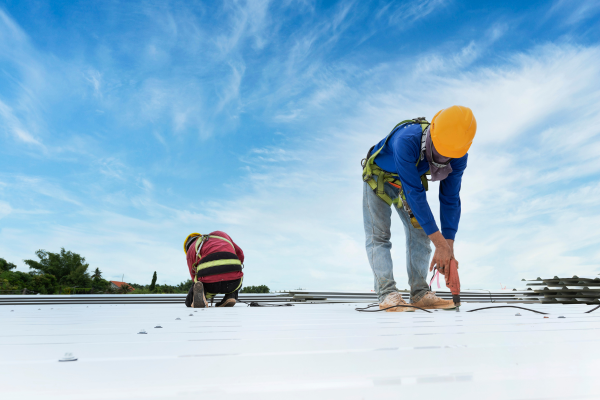
When a commercial roof issue appears, the first instinct may be to fix it as quickly and cost-effectively as possible. A small leak, loose flashing or visible membrane damage can seem manageable in-house, especially when downtime and budget are top of mind.
But commercial roof systems are complex and the decision to attempt do-it-yourself (DIY) repairs versus calling a professional can have long-term consequences. Understanding the risks, limitations and true costs of the DIY approach is critical to protecting your facility, employees and operations.
Commercial Roofs Aren’t a One-Size-Fits-All System
Commercial roof systems are engineered systems, not single-layered surfaces. They often include membranes, insulation, fasteners, drainage components and edge details that are designed to all work together.
Each system requires specific repair materials and techniques. Applying the wrong product or method can compromise the system’s performance and may void manufacturer warranties, leaving the building owner fully responsible.
The Risks of DIY Commercial Roof Repairs
- Safety Compliance and Concerns
Commercial roofs present serious fall hazards. OSHA regulations require specific safety measures, training and equipment that most in-house teams are not equipped to manage. A single accident can result in injuries, liabilities and penalties.
- Incomplete or Incorrect Repairs
Without system-specific expertise, repairs may fail to address any underlying issues that the roof may have. Improper patches, sealants or fasteners can worsen damage and accelerate roof failure.
- Increased Long-Term Costs
DIY repairs often lead to repeat issues, additional interior damage and shortened roof life. What starts as a cost-saving effort can ultimately result in premature replacement and higher repair costs.
What Professionals Bring to the Table
Professional commercial roofing contractors provide more than just labor. They bring:
- - Trained crews with system-specific knowledge and expertise
- - Proper safety protocols and compliance measures
- - Manufacturer-approved materials and repair methods
- - Detailed documentation for warranties, insurance claims and compliance
Professionals don’t just repair what is visible, but also identify and address the root cause of the problem to ensure long-term performance of your roof system.
Cost Comparison: DIY vs. Professional Service
DIY repairs often have a lower upfront cost, but they carry a higher risk. Professional repairs may require a larger initial investment, but they:
- - Reduce the likelihood of repeat repairs
- - Minimize operational disruptions
- - Extend the life of the roof system
- - Protect the warranty coverage
When evaluating costs, it’s crucial to consider the full impact, including downtime, interior damage and future repair expenses, not just the immediate repair cost.
Making the Right Call for Your Facility
Before attempting a DIY repair, facility managers should ask:
- - Is this a temporary fix or a permanent solution?
- - Do we understand the full roof system involved?
- - Are we maintaining safety and compliance standards?
- - Could this repair affect warranties or insurance coverage?
In many cases, calling a professional early can prevent larger, more disruptive issues in the future.
Why Partnering With a Commercial Professional Matters
A trusted commercial roofing partner, like CentiMark, provides consistency, accountability and long-term planning support. This is especially valuable for organizations managing multiple facilities with valuable operations or products.
With CentiMark, you get quick and reliable repair services that are always documented with a summary report of the repairs, including before and after photos as well as a brief description of the repair. With weather events, we also provide 24/7 emergency repairs. Additionally, all the repair documentation can be easily accessed on CentiMark’s Digital Customer Experience (CMDCX). This platform is always readily available to you for reviewing past repairs and projects as well as seeing all of your locations' current projects, proposals and warranties.
Our goal is to help you ensure long-term protection of your roof investment with our maintenance plans and repairs all while extending the life of your asset.
Stay Informed
When you subscribe to the blog, we will send you an e-mail when there are new updates on the site so you wouldn't miss them.