
SEP
30
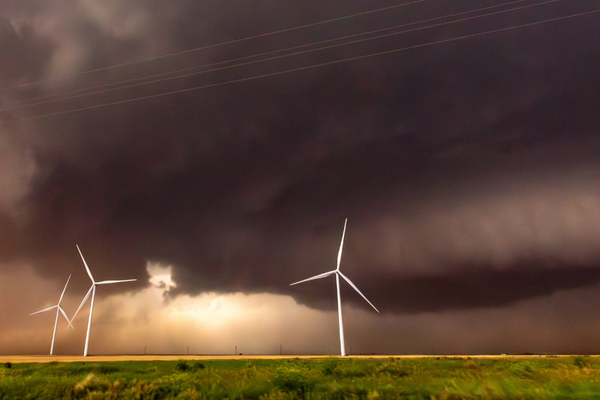
El Niño is strengthening as facility teams move into fall planning. In its August 13, 2026 update, NOAA’s Climate Prediction Center reported an El Niño Advisory and said the event is expected to strengthen into fall and winter. That does not mean every region will experience the same conditions. It does mean facility leaders should understand how changing seasonal patterns could interact with the condition of their commercial roofs.
197 Hits
AUG
18

Every successful commercial building begins with a solid foundation, and the roof is an essential component. A building needs to be watertight before the interior buildout can begin. Commercial roof installation decisions made during the planning stage have a lasting impact on the facility’s overall performance.
- - Coordinate timelines with other trades
- - Assist with penetration locations
- - Ensure proper flashing details
- - Protect completed roof sections during construction
- - Help with leak prevention
Early collaboration leads to a smoother installation process and fewer issues after tenant occupancy.
518 Hits
AUG
07
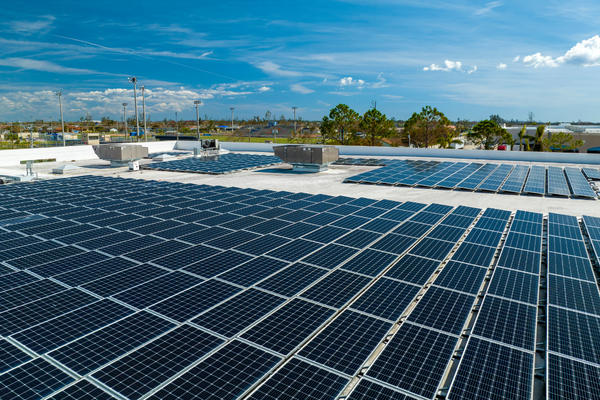
Interest in rooftop solar continues to grow, but adding solar is not just an energy conversation. It is also a roof-readiness conversation. Before planning moves forward, the roof beneath the array should be evaluated for current condition, remaining service life, drainage, penetrations and long-term serviceability.
505 Hits
AUG
04

A commercial roof warranty matters most when something goes wrong, but its real value starts much earlier in the life of the roof. As facility teams face tighter budgets, longer planning horizons and more pressure to avoid disruption, the structure of the warranty itself becomes part of the risk management conversation.
681 Hits
JUL
24
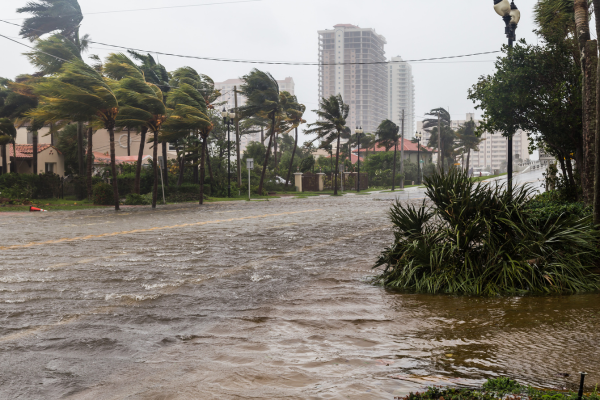
Hurricane season raises the stakes for any weakness in the building envelope because water intrusion rarely stays confined to one area. What begins at the roof can move into ceilings, wall assemblies and occupied spaces, creating a facility issue that reaches beyond the roof itself.
For commercial and industrial operations, the concern is not only visible damage. It is the potential for disruption to safety, inventory, equipment and normal activity when water enters places it should not.
657 Hits
JUL
28

A facility condition assessment should do more than confirm that visible issues exist. It should create a decision-ready record of roof and floor conditions, clarify priorities and give teams a basis for repair, restoration or replacement planning. The useful output is not simply an inspection result. It is a documented path from observed conditions to practical next steps.
721 Hits
JUN
16
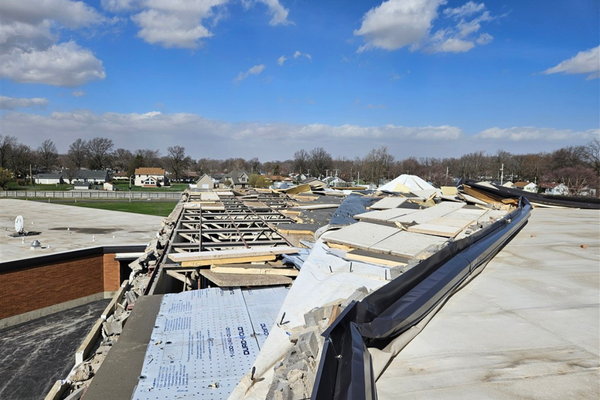
When a commercial roof fails, every minute matters. Whether it’s storm damage, a sudden leak or structural impact, the first 24 hours are critical in minimizing damage, protecting operations and setting up a successful long-term plan for repair. Having a clear, actionable plan can make the difference between a manageable fix and a costly disaster.
Emergency commercial roof repair involves the immediate steps needed to stabilize the situation, stop active leaks, protect occupants and property and prevent further damage until permanent repairs can be completed. The actions taken during those first few hours can have a significant impact on repair costs, operational disruptions and recovery timelines.
Here’s what facility managers need to prioritize immediately after discovering a roofing emergency at their facility.
904 Hits
MAY
21
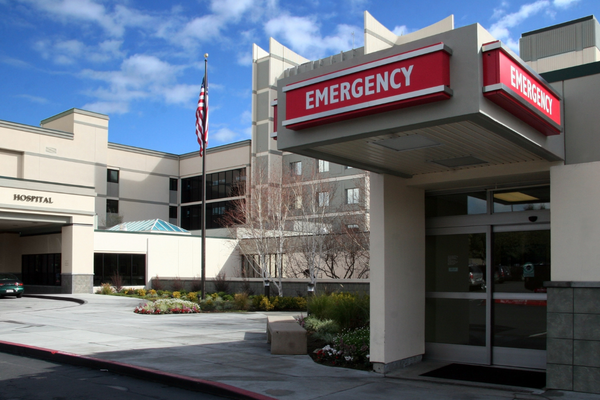
Critical environments change the roofing conversation because the cost of disruption is higher and the margin for error is smaller. Work for hospitals, large distribution facilities and food processing facilities usually requires tighter planning, cleaner execution and a more conservative approach to risk than a standard commercial project. The roof still has to stay watertight, but the project plan also has to respect how the building operates every day.
978 Hits
MAY
19
Reactive fixes used to feel like a reasonable way to manage costs. In practice, they often leave facility teams exposed to downtime, interior disruption and budget surprises when a problem surfaces on the roof's schedule instead of theirs. Industry guidance also treats maintenance as a major driver of roof life and ownership cost, which is why more teams are using planned service to reduce emergency work and bring roofing decisions back into a normal budgeting cycle. The goal is not to eliminate every repair. It is to reduce the number of urgent situations and build a clearer long-term plan.
For commercial facilities, being proactive usually means fewer surprises. It also means a clearer path for operations, finance and leadership to stay aligned once work begins.
1166 Hits
MAY
14

Deferred maintenance rarely feels urgent until risk starts stacking up across the building. The cost shows up later as unplanned spend, disrupted operations and a wider scope than anyone expected. When roofs and floors age together, small issues in either system can create safety exposure and downtime, which is why this topic matters to leadership.
1130 Hits
APR
14

Spring is the time for fresh starts, and that includes your commercial roof! After months of harsh winter, your roof system may have accumulated debris, moisture buildup or minor damage that could turn into major issues later. Taking the time to ‘spring clean’ your roof helps ensure it remains in optimal condition.
Here are some of the key areas that should receive attention during spring roof maintenance.
1230 Hits
MAR
23
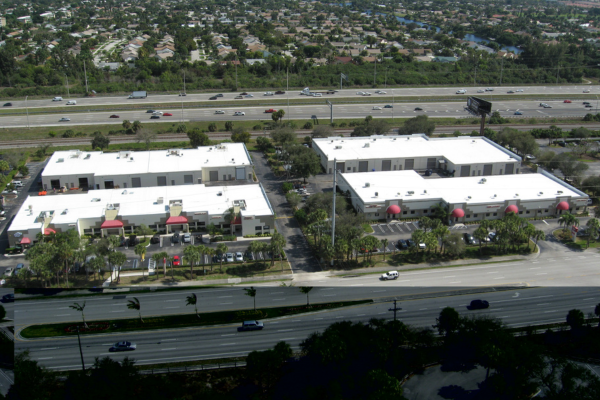
In commercial spaces, the installation of the roof is key. Materials and specs matter, but the difference between a system that holds up and one that becomes a repair cycle is often the quality of the work crews do before, during and right after the last seam is welded.
For facility leaders, operations teams and finance stakeholders, that is more than a workmanship preference. Early issues can create disruption, add unplanned labor and force decisions sooner than expected.
A well-managed installation also leaves behind clearer documentation, like daily reports, photos, as-built notes and warranty details, which can make maintenance planning and future repair decisions simpler.
1371 Hits
MAR
19

A Smarter Approach to Capital Improvement Planning
When you’re planning major facility upgrades, the timing of the work can be just as important as the scope. For many commercial building owners, IRS Section 179 may offer an opportunity to expense certain qualifying improvements in the year they are placed in service rather than recovering the cost over decades through standard depreciation.
For facility and operations leaders, that distinction can materially affect near-term cash flow and shape capital planning strategy.
5082 Hits
MAR
13
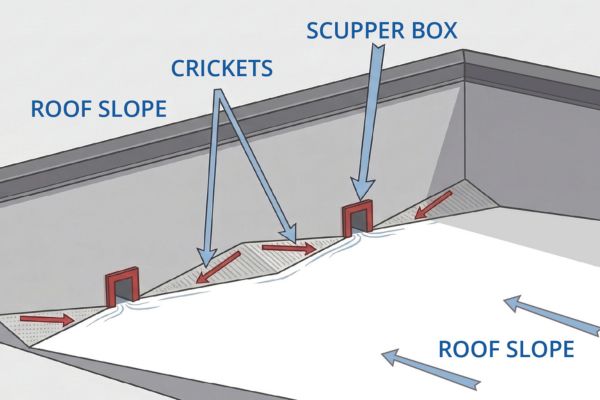
When we say the word ‘cricket’, what pops into your head? The chirping little bug that keeps you up at night? Maybe the bat-and-ball game? Or maybe you think of cell phone plans? While all are valid, on your roof, a ‘cricket’ is something entirely different and a lot more useful!
0 Hits
MAR
05

When a commercial roof issue appears, the first instinct may be to fix it as quickly and cost-effectively as possible. A small leak, loose flashing or visible membrane damage can seem manageable in-house, especially when downtime and budget are top of mind.
But commercial roof systems are complex and the decision to attempt do-it-yourself (DIY) repairs versus calling a professional can have long-term consequences. Understanding the risks, limitations and true costs of the DIY approach is critical to protecting your facility, employees and operations.
1273 Hits
FEB
24
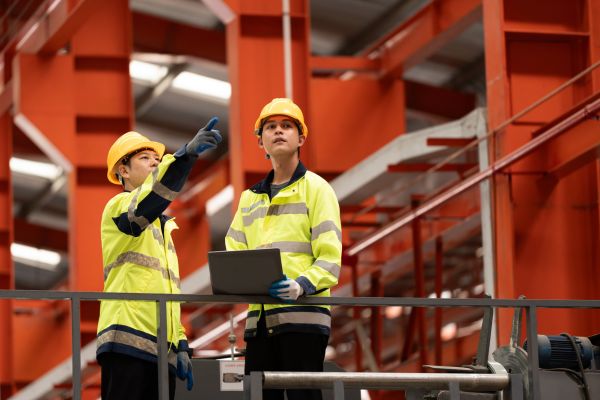
For facility managers, the roof is often out of sight, out of mind, until a problem disrupts operations. But roofing failures don’t just cause leaks. They can shut down production, damage inventory, create safety hazards and quickly blow maintenance budgets.
This guide breaks down everything facility managers need to know about commercial roof repairs: how to spot issues early, when to repair vs. replace and how to build a strategy that protects your roof.
1790 Hits
FEB
18
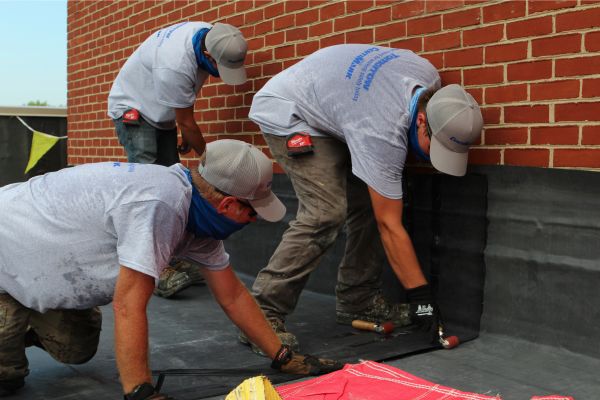
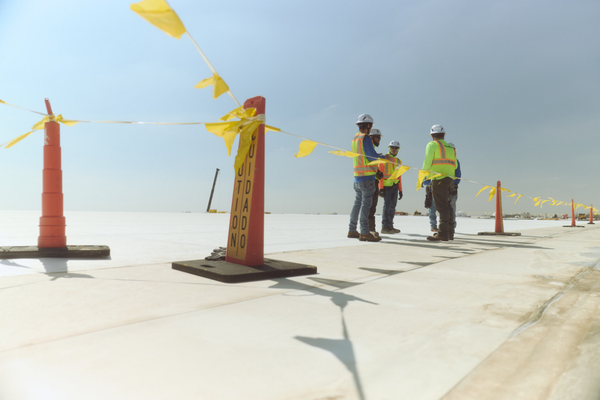
When it comes to commercial roofing projects, safety and protection don’t clock out when the workday ends. Every night, before our CentiMark crew leaves the site, a crucial step takes place: the nightly tie-in. This protection is installed to help buildings stay secure from weather exposure until the roofing project continues the next day.
1709 Hits
FEB
05
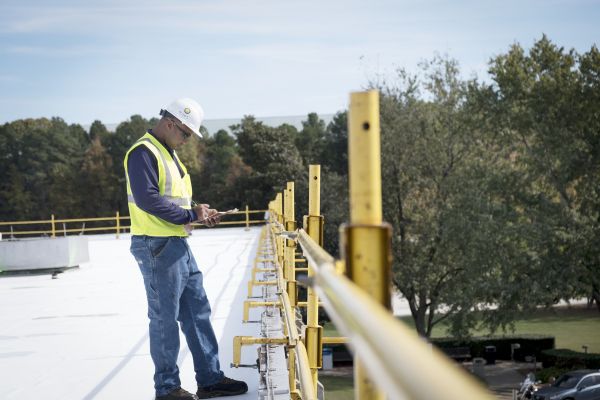
In many facilities, the roof functions as an active workspace supporting maintenance crews, equipment and operations. When a roof experiences frequent foot traffic, it requires specialized care to remain watertight, safe and compliant.
1558 Hits
JAN
28
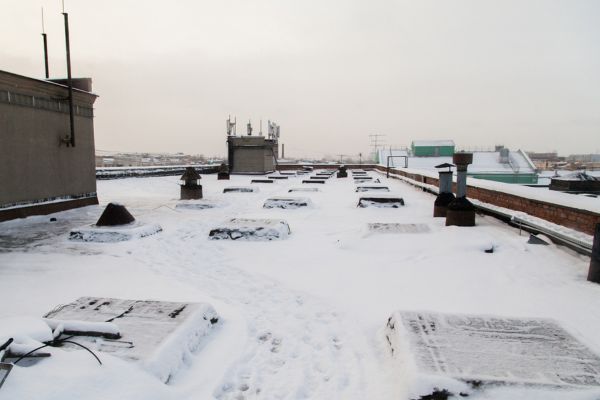
Winter can be one of the most demanding seasons for commercial flat roofs. Snow accumulation, freezing temperatures and repeated freeze-thaw cycles can quickly turn minor issues into big problems if they’re not addressed early. Proactive winter roof maintenance is essential for protecting flat roof systems and maintaining building safety throughout the winter months.
1652 Hits
JAN
22
The start of the year is more than just a calendar flip for facility managers. It is a critical window to protect the building envelope. High-performing facilities don’t wait for spring thaws to assess damage. They use the beginning of the year to create and execute their yearly maintenance strategy that minimizes operational costs and sets the stage for year-long resilience.
If you want to minimize expenses, ensure safety compliance and avoid operational interruptions, here is a checklist used by the industry’s most efficient teams.
1759 Hits